
From internal combustion engines to exterior components, the automotive industry requires and relies on materials and parts that can perform consistently under extreme conditions for many years. Fluoropolymer chemistries, used throughout a vehicle’s various systems, have helped enable safer, more durable, and more efficient cars and trucks. Today, they are even more critical as automakers navigate an unpredictable market amid increased global competition.
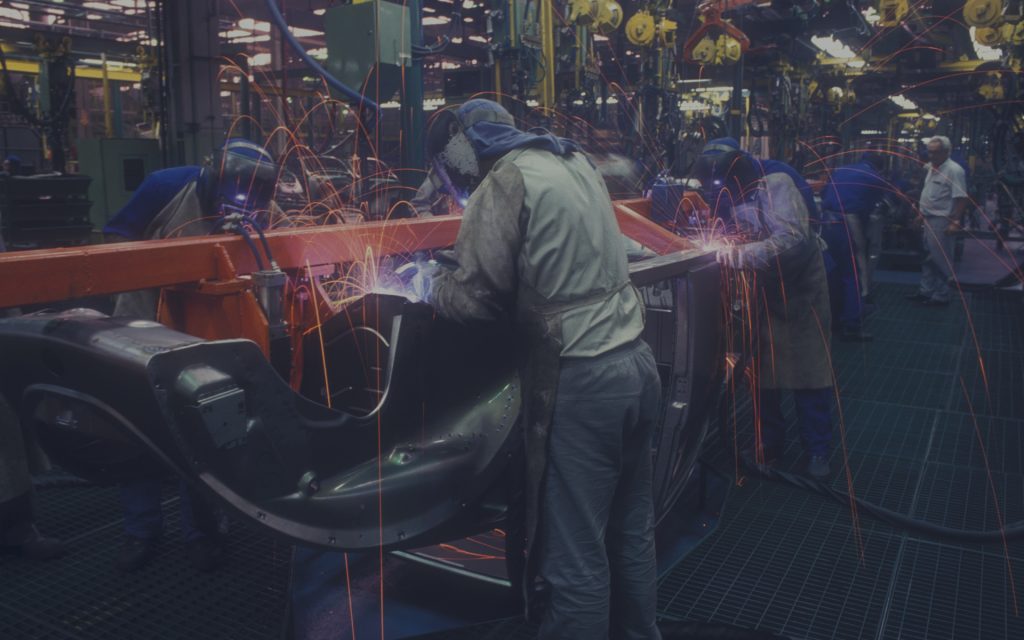
Fluoropolymers are advanced materials that underpin automotive industry innovation and support a strong U.S. manufacturing base. Sound, science-based policy must recognize the reality that inappropriate or overly broad restrictions on fluoropolymers risk undermining and weakening American competitiveness, vehicle safety and performance, and U.S. economic and technological leadership.
Fluoropolymers play a critical role in improving automotive operations as they are uniquely engineered to help protect against the harsh environments and conditions many modern vehicles face on a daily basis. They help automobile components to resist extreme heat, aggressive chemicals, weathering, and mechanical stress while helping to maintain low friction and to increase service life. These properties are not merely incremental improvements. Rather, they are essential to the reliable operation of critical vehicle systems.
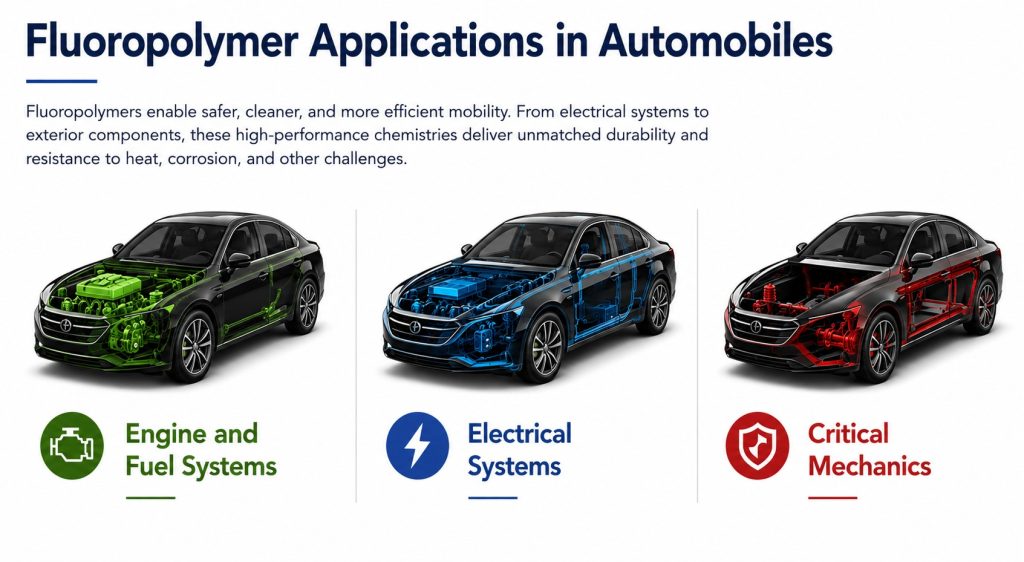
Across conventional automobiles, fluoropolymers are used in fuel lines and hoses to help prevent leaks and permeation, in seals and O rings to help protect engines and transmissions, in gaskets that help withstand high temperatures and pressures, and in wire and cable insulation that improves fire resistance in confined engine compartments. Low friction fluoropolymer coatings also increase efficiency in moving transmission components, reducing energy loss and extending component lifespan.
The results are vehicles that last longer, require less maintenance, and perform more consistently. For consumers, this translates to improved safety and a lower total cost of ownership. For manufacturers, fluoropolymers help to support compliance with increasingly stringent durability and emissions requirements. By enabling high performance components, fluoropolymers can also reduce warranty claims, recalls, and production inefficiencies, costs that could otherwise ripple through the supply chain.
In particular, restriction proposals that fail to distinguish fluoropolymers from other PFAS and treat all as if they are the same, risk unintended consequences. From an economic perspective, abrupt or overly broad restrictions could strand billions of dollars in existing capital investments, disrupt automotive supply chains, and delay vehicle production. The availability of replacement parts for existing vehicles is also a very real concern that could affect every person and institution that relies on their vehicles to get to work, take children to school, and provide their services in a timely, safe, consistent fashion.
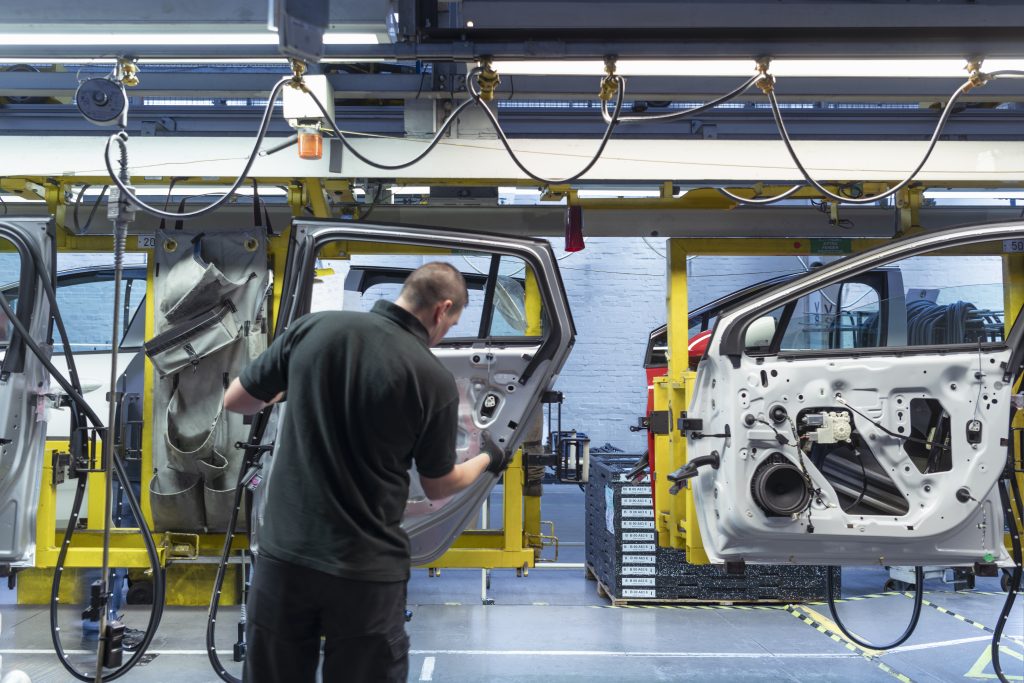
Fluoropolymers are inert, non-soluble materials with proven safety profiles. Eliminating or substituting them with less proven alternatives could increase the risk of component failure, leaks, fires, and premature degradation. As the automotive industry continues to evolve, it is essential that policymakers, regulators, and stakeholders engage with manufacturers to develop science based, application specific approaches that protect both the environment and U.S. industrial leadership.
America’s ability to lead in automotive innovation and advanced manufacturing depends on materials that perform when it matters most. Fluoropolymers are one of those materials, and protecting their responsible use is an investment in the nation’s economic strength, technological leadership, and transportation future.
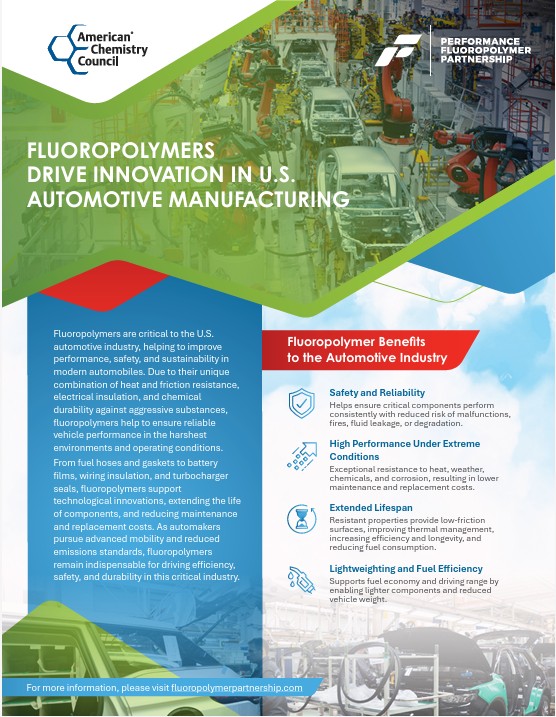
Fluoropolymers are critical to the U.S. automotive industry, helping to improve performance, safety, and sustainability in modern automobiles. From fuel hoses and gaskets to battery films, wiring insulation, and turbocharger seals, fluoropolymers support technological innovations, extending the life of components, and reducing maintenance and replacement costs.
Download the PDF: Fluoropolymer Benefits for the Automotive Industry